All Categories
Featured

Commercial Strategies for Small Business Teams
Table of Contents
You're not alonewe hear these concerns all the time from business owners attempting to do right by their groups. It's always a smart move to chat with a qualified benefits professional or legal expert to get recommendations that's right for your particular service and area.
A provider may say that at least of your qualified workers who aren't waiving protection for another factor (like being on a partner's strategy) must enlist. These guidelines can differ between insurance coverage companies and from state to state, so it's a vital detail to lock down early.
Federal law allows you to develop various "classes" of staff members, as long as they're based upon genuine, non-discriminatory job-based criteria. A few examples of appropriate classes include: Full-time vs. part-time workers Salaried vs. hourly employees Staff members operating in various geographical places You absolutely can not develop these groups based on things like a worker's age, gender, or health condition.
Getting professional assistance here is non-negotiable. The co-employment relationship you form with an Expert Company Company (PEO) is purely for administrative and compliance functions. You, the service owner, stay strongly in the driver's seat.
Employee Voluntary Benefits GuideProtecting Your Organization and Group Benefit Policies
You set the company's vision, handle the day-to-day work, make every hiring and shooting choice, and shape the distinct culture that makes your service what it is. The PEO just works silently in the background, dealing with the complex HR things like payroll, benefits administration, and compliance.
The majority of small companies are familiar with the group health insurance coverage market. Group plans supply medical benefits that are limited to qualified employees and their dependents.
Protecting Your Business and Commercial Benefit Policies
Large group plans also restrict profit and overhead costs more than small group strategies with respect to third-party insurer practices. Association health plans offer a means by which many small companies can unite and access the big group health insurance coverage market, a market that frequently costs less for the same benefits.
Small company health insurance plans are typically priced in methods that disregard employees' health and physical fitness wellbeing. There are times when a health insurance coverage plan doesn't fill the requirements of staff members or the little business owners. Have a look at what makes Nationwide's group health strategies various. Get your complimentary quote now.
Unlike other insurance companies, we help you develop an offering special to your company. That's why thousands of small companies with 2-500 employees select the Self-Funded Program through Nationwide. Together with terrific pricing, Nationwide's group health insurance for little business workers can consist of great benefits: Fringe benefits might consist of stop loss insurance coverage to safeguard your service' properties, and the potential for a refund in the years when claims are low 11 Refund is subject to any appropriate Terminal Liability Protection charge.
Understanding the Workplace Wellness Initiative Costs
The Self-Funded Program through Nationwide provides tools for companies owning little to midsized companies to develop a self-funded health advantage plan for their workers. The advantage plan is established by the employer and is not an insurance coverage product. Stop loss insurance plan are underwritten by Nationwide Life and Advantage Insurance Provider, Columbus OH, in AK, AR, AZ, CT, IL, MA, PA, TX, WI; Integon National Insurance Coverage Business in NY; and National Medical Insurance Company in CO, WA and all other states where offered.
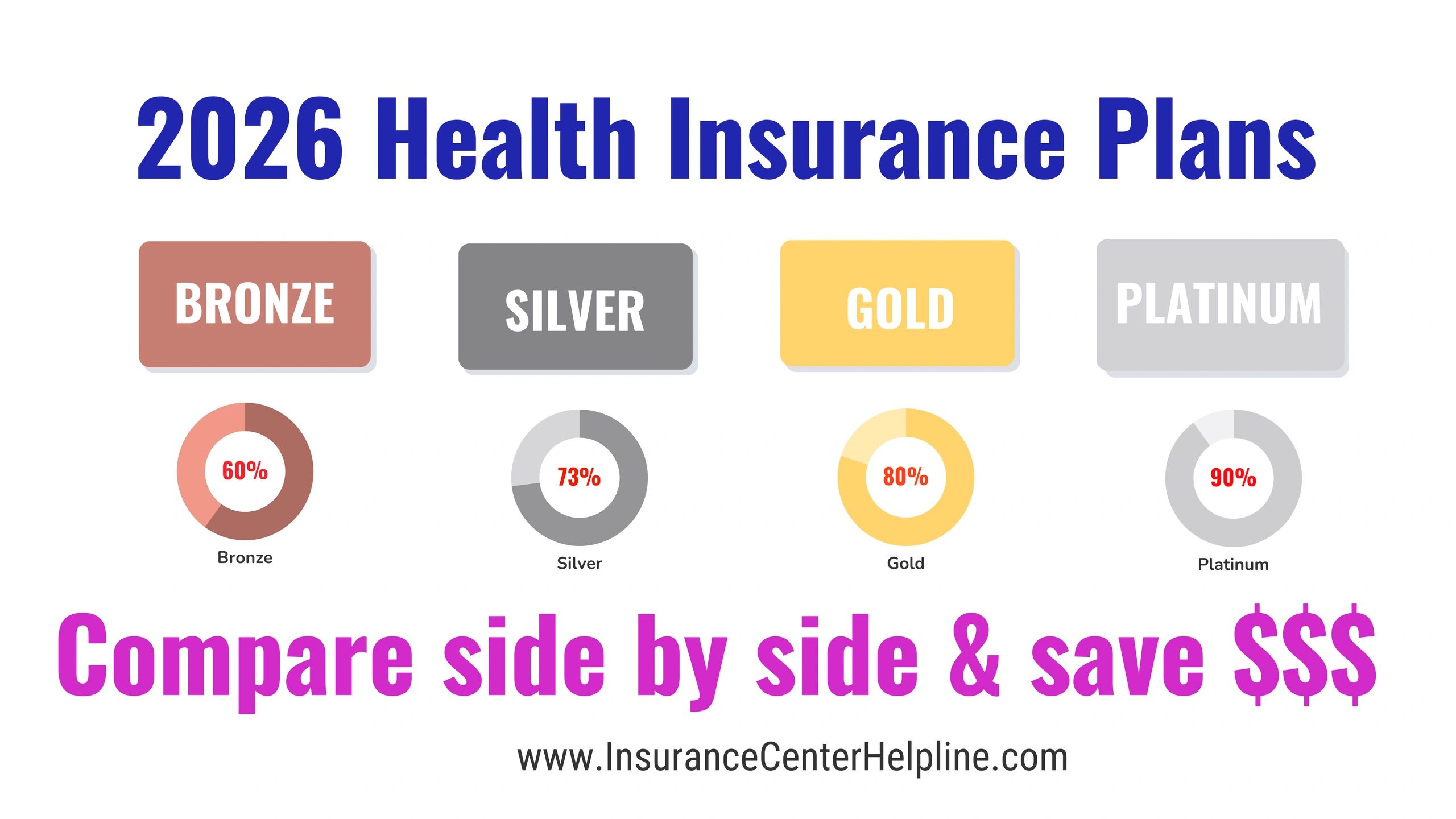
Employee Voluntary Benefits GuideCompare the top small organization health insurance coverage providers in 2026. Side-by-side strategies, real cost information, and the right alternative for 1 to 50 workers. Picking health insurance coverage for your little business is more difficult than it needs to be. Premiums vary extremely, carrier networks vary by state, and the majority of articles either list carriers without comparing them or neglect the affordable alternatives that really work for groups under 20.
We cover the five largest conventional carriers, what each one costs, and the modern alternatives that small companies are using to cut costs without cutting benefits. June 2026 For standard group coverage, UnitedHealthcare and Blue Cross Blue Guard lead on network size. Cigna is the top choice for remote or multi-state teams.

Latest Posts

Ways to Select the Best Group Health Policy
Reviewing Business Liability plus Employee Benefits

Effective Workplace Assistance Program Providers to Support Teams