All Categories
Featured
Professional Strategy for US Business Group Benefits
Program management that employees want wellness support, then propose the budget for a scalable digital health platform that enhances what you started totally free. When budgeting for an employee health care, factor in compliance requirements that can affect program style and cost: Safeguards the confidentiality of worker health info gathered throughout screenings or evaluations.
Makes sure wellness programs are inclusive and do not discriminate against staff members with impairments. Incentive-based programs should stay voluntary and non-coercive. The EEOC has placed limits on the size of rewards connected to health screenings.
Selecting a supplier that remains present with legal standards, like one that maintains ISO 27001 certification, helps guarantee your program remains compliant and reliable. Comprehending worker health care cost is not practically discovering the cheapest alternative. It is about making a tactical financial investment that lines up with your organization's goals, fits your budget plan, and actually moves the needle on staff member health and engagement.
Insurance Case StudiesWhether you are buying a full-scale digital training platform or starting with grassroots zero-cost initiatives, the secret is constructing a program that adapts to your labor force and provides quantifiable outcomes.Try Free Demonstration View Rates Plans When budgeting for a staff member health program, factor in compliance requirements that can affect program style and expense: Secures the confidentiality of worker health details collected throughout screenings or assessments. Avoids using genetic details in making work decisions. This affects how you structure health risk assessments. Guarantees health cares are inclusive and do not discriminate versus staff members with disabilities. Incentive structures should be reasonable. Incentive-based programs should remain voluntary and non-coercive. The EEOC has actually placed limitations on the size of rewards connected to health screenings. Picking a vendor that remains existing with legal requirements, like one that keeps
Reducing Workplace Health Benefit Costs in 2026
ISO 27001 accreditation, assists ensure your program remains compliant and credible. What much better method to conserve healthcare dollars than to assist avoid the need for them in the very first place? An increasing number of companies are welcoming the concept of work-site health care the American Heart Association(AHA 2010) has acknowledged more than 1,200 "fit-friendly"business to motivate employees to participate in healthy habits,thus promoting a decrease in using healthcare advantages and, ultimately, lower health care costs. While 65 percent of polled organizations engaged in these types of programs in 2008, participation in 2015 rose to 76 percent, and majority of business not currently providing a wellness program plans to do so within the next two years. According to a U.S. Department of Health and Human Providers report (2009), alcohol and drug abuse cost the United States an estimated$276 billion each year, mostly in lost work productivity and healthcare costs related to abuse. A meta-analysis of the literature on costs and savings connected with office health care discovered that medical costs fall by about $3.27 for each$1 invested in wellness programs, which absenteeism expenses fall by about$2.73 for every single$1 spent (Baicker 2010). Thinking about that more than 130 million Americans remain in the manpower, health cares have the prospective to significantly impact employers'bottom lines. "Employer wellness program implementation has seen some real peaks and valleys, but over the last 10 to 15 years, repeated studies have validated a favorable return on investment when programs are implemented, monitored, and measured properly, and more employers are ending up being interested, "says Steven Noeldner, PhD, principal and senior specialist in the Total Health Management specialized practice of Mercer Consulting in Newport Beach, Calif."Plan sponsors are beginning to accept that in specific circumstances, wellness programs can produce health effects on members that might lead to future lower expenses,"states Sean Brandle, vice president and nationwide drug store practice leader for Segal Co., based in New York City."The premise is that lower out-of-pocket expenses will create increased compliance with core drug treatments, decreasing overall patient healthcare expenses."New studies suggest that more employers are willing to sponsor staff member health programs as a method to suppress total healthcare costs. Workers who take part in an employer's health care are needed to fill out a health assessment. The aggregate results of the evaluations are then examined by management to determine the top areas of need within the company, thus developing
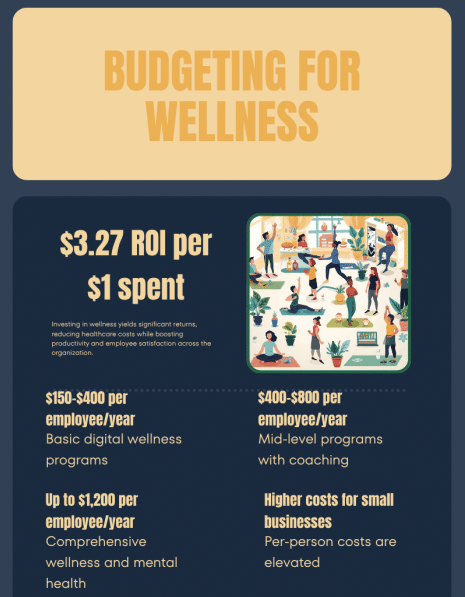
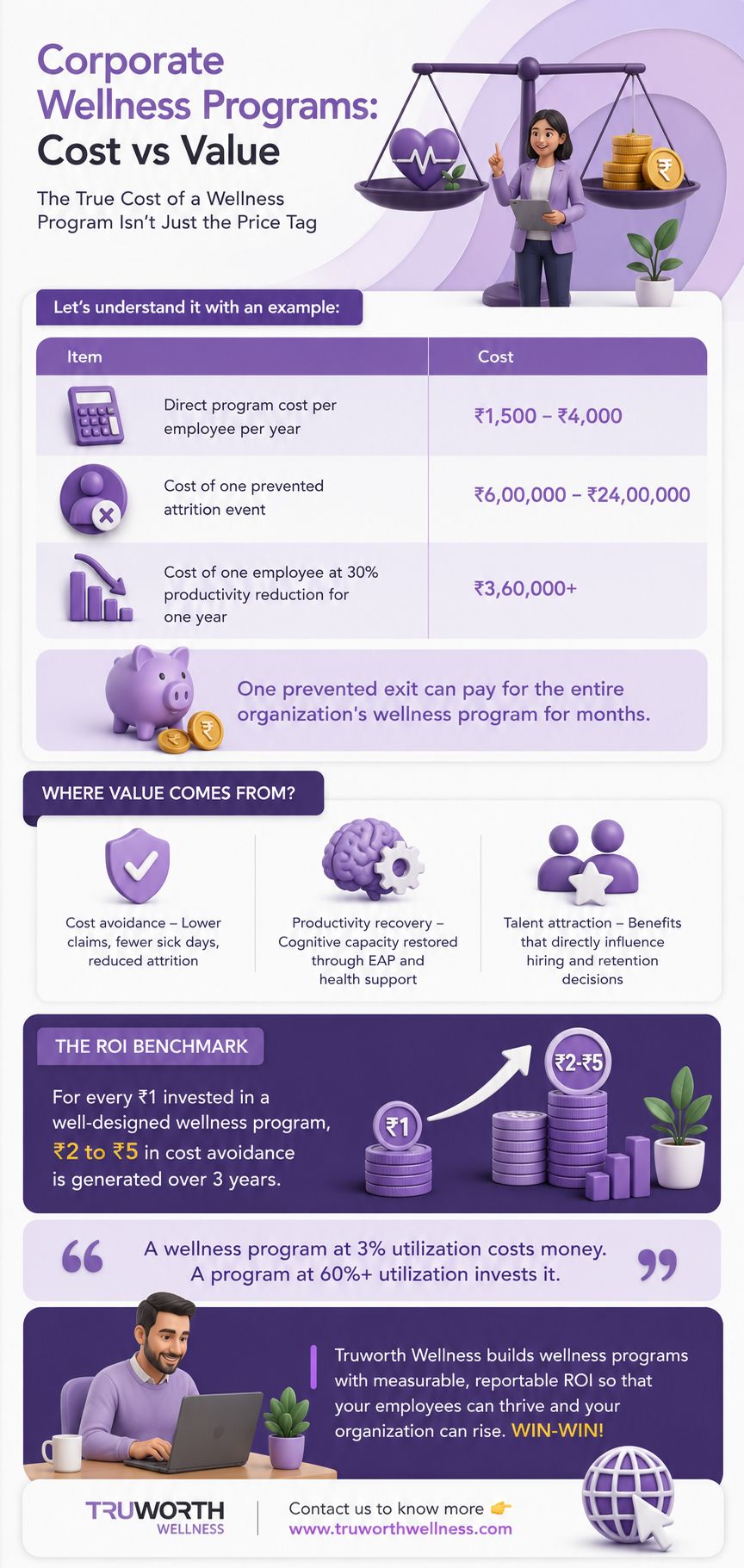
Insurance Case Studiesa direct line of focus for the program. Tangible outcomes can be seen as early as one to two years into the program, but optimum savings results are recognized in the third and fourth years."Health advocates serve to promote and perpetuate the services the program is providing."Typical services used by health programs include smoking cessation, weight control, nutrition education, substance abuse therapy, exercise and physical fitnessguideline, stress management, persistent condition management, and high blood pressure and cholesterol screening. Some programs likewise provide CPR training and mishap prevention services. And while specialty drugs may enforce greater expenses at the beginning, they might result in much better long-lasting expense savings compared to a various, more economical treatment."Prescriptions must be figured out not by the annual expense, however by the total expense of care and treatment for that client over a time period. "To put it simply, employers searching for the greatest return on their health care dollars should not always dismiss the large-ticket drugs even if of their preliminary cost, and maybe higher staff member participation in health cares will assist diminish or perhaps avoid some of the devastating negative effects of persistent conditions needing specialized medications. Based on their high expense, restricted distribution, unique dispensing, and administrative attributes, plan sponsors are taking a closer look at the benefits of these drugs, he states."There are certainly many specialty drugs that are important components of a client's health care, and more data relating to the benefits of specialized medications can assist us make better informed advantage choices in the future."AHA(American Heart Association )Work site health cares lower health care costs, making workers healthier. 15, 2010. Baicker K, Cutler D, Tune Z. Workplace health care can create cost savings. Health Aff. 2010; 29:304311. doi: 10.1377/ hlthaff. 2009.0626. [DOI] [PubMed] [Google Scholar] Kaiser Household Structure Focus on Health Reform: Side-by-side contrast of major health care reform proposals February242010. Accessed Mar. 4, 2010. Medco Health Solutions 9 Leading Patterns in Rx Plan Management: Finding From a National Peer Study. Recess Newsletter. Health @ Work: Terrified By The Price Tag?. Accessed Mar. 15, 2010. US Department of Health and Person Providers, Drug Abuse and Mental Health Services Administration 14 short company expense savings briefs. Accessed Mar. 15, 2010. Articles from Biotechnology health care are provided here thanks to. Corporate health is no longer a "benefit."In 2026, it's a functional strategy tied straight to efficiency , retention, and health care costs. Organizations today are moving beyond isolated wellness advantages toward incorporated, data-driven health programs. How much does a business wellness program expense? If you're an employer wanting to implement or optimize a wellness program, comprehending the expense breakdown is essential. More comprehensive programs with biometric screenings and rewards can range from$800 to $2,500 per employee each year. This guide breaks down the overall cost of health cares, crucial prices designs, and techniques to optimize expenses. Let's dive in! Program TypeCost Per Employee/YearCost Per Employee/MonthBasic(digital just)$36 $ 150$3$12Standard$ 150$600$12$50Comprehensive$600$1,200 $50$100Premium (all-in programs )$1,200$2,500+ $100$200+Market typical$ 742/year $62/month A business health care usually costs $150 to$1,200 per employee each year. Digital-only platforms begin at$3 to $12 per worker each month, while full-service enterprise programs reach$100 to$200+per staff member per month. 5 variables move the price most: business size, program scope, involvement rate, contract period, and location. A one-time setup charge of approximately$250 to$500 is standard and is usually priced quote individually from the per-employee rate. RAND found cost savings focus in persistent disease management instead of in basic lifestyle programs. Business wellness programs do not have a set cost per se. According to a research study, a projected program cost per individual is$473. However, this is the expense of a specific wellness program. 22 studies that looked at health cares and healthcare expenses suggest the average return on investment was$3.27.

Latest Posts

Selecting Small Business Health Plan Packages
Reviewing Payroll Protection Programs for Modern Growing Businesses

How EAPs Influence Business Commitment in Rancho Cucamonga Firms